How to Speed Up Google Indexation for Backlinks in 2026
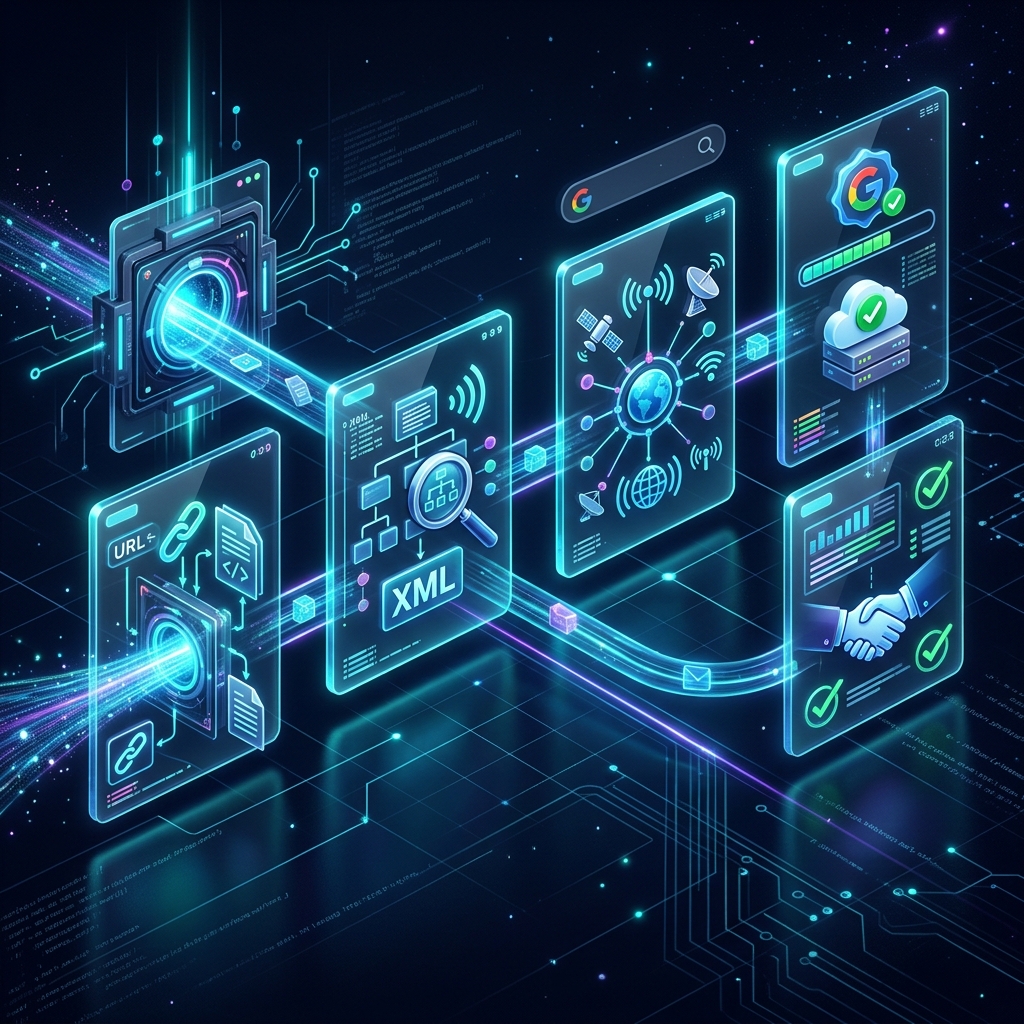
To speed up Google indexation for backlinks in 2026, combine direct API submission (using Google Indexing API with key rotation), XML/HTML sitemap booster feeds submitted via Google Search Console, and XML-RPC pinging to active search engine indexing nodes. This multi-threaded approach reduces indexation timelines from weeks to under 48 hours.
Building high-quality backlinks is a core aspect of search engine optimization (SEO), but it represents only half the battle. If search engines never crawl and index the pages hosting your backlinks, those links will fail to pass authority, PageRank, and relevancy trust signals to your target domain.
In 2026, search engine crawlers have become more selective about resources, leading to crawling and indexation bottlenecks. Here are the most effective strategies to resolve these delays and speed up indexation.
1. Using Search Engine Indexing APIs
Instead of waiting passively for search bots to naturally crawl pages, modern indexers submit URLs directly to search engine endpoints.
- Instant Crawl Signals: Requests immediate bot inspection rather than relying on standard crawl cycles.
- Service Account Key Rotation: Overcomes single-account daily quota limits by rotating authenticated Google service keys.
- High Volume Scalability: Processes thousands of URLs per day with real-time status reporting.
2. HTML & XML Sitemap Booster Feeds
A sitemap booster operates by consolidating third-party URLs into unified XML sitemaps or static HTML link feeds hosted on an active domain. Once these sitemaps are submitted directly to Search Console, Googlebot is naturally guided to crawl all child backlinks in a structured, hierarchical manner.
3. XML-RPC Server Pinging
XML-RPC is a reliable protocol that notifies search engines and content aggregators that a page has been refreshed. Broad-spectrum pinging to indexing nodes across 50+ global search engines immediately signals to crawlers that new backlink paths are ready for exploration.